 on Google


There is a common idea in the sector: a highly digital management company would, by definition, have little human presence. In practice, the opposite is often true. A manager who spends half the day entering payments by hand and searching for papers has less time to visit the building and talk to owners. Proximity is about response, not postcode. In this article we explain how we measure proximity in condominium management, what technology does for it and what you should ask your management company.
In short
- ✓Proximity is measured in response time and presence in the building, not in distance from the office.
- ✓Technology handles the repetitive work so that the manager has time for people.
- ✓A digital record ensures that no request is forgotten.
- ✓Years in the market count for less than the ability to respond today.
- ✓Ask specific questions before choosing a management company.
Proximity is about response, not postcode
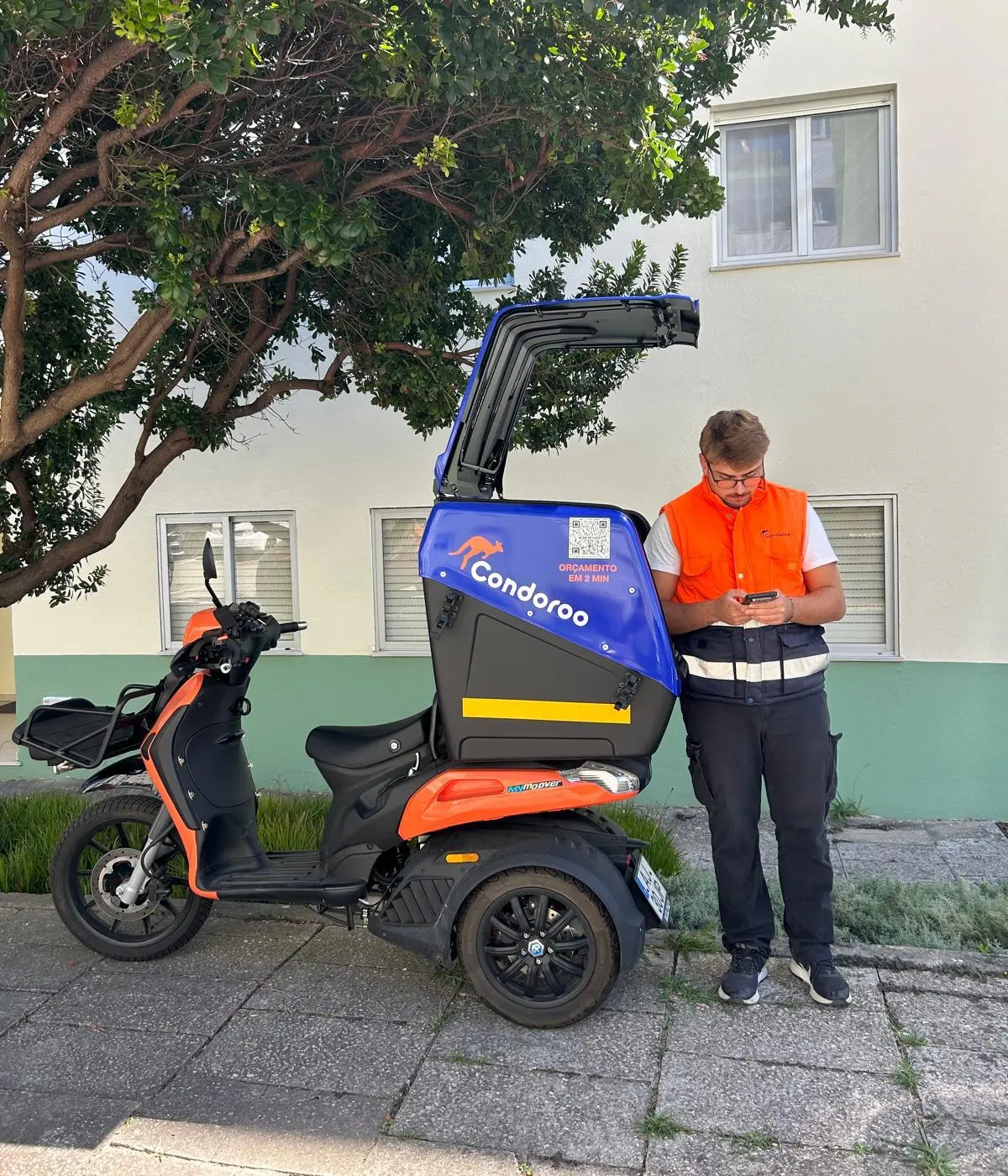
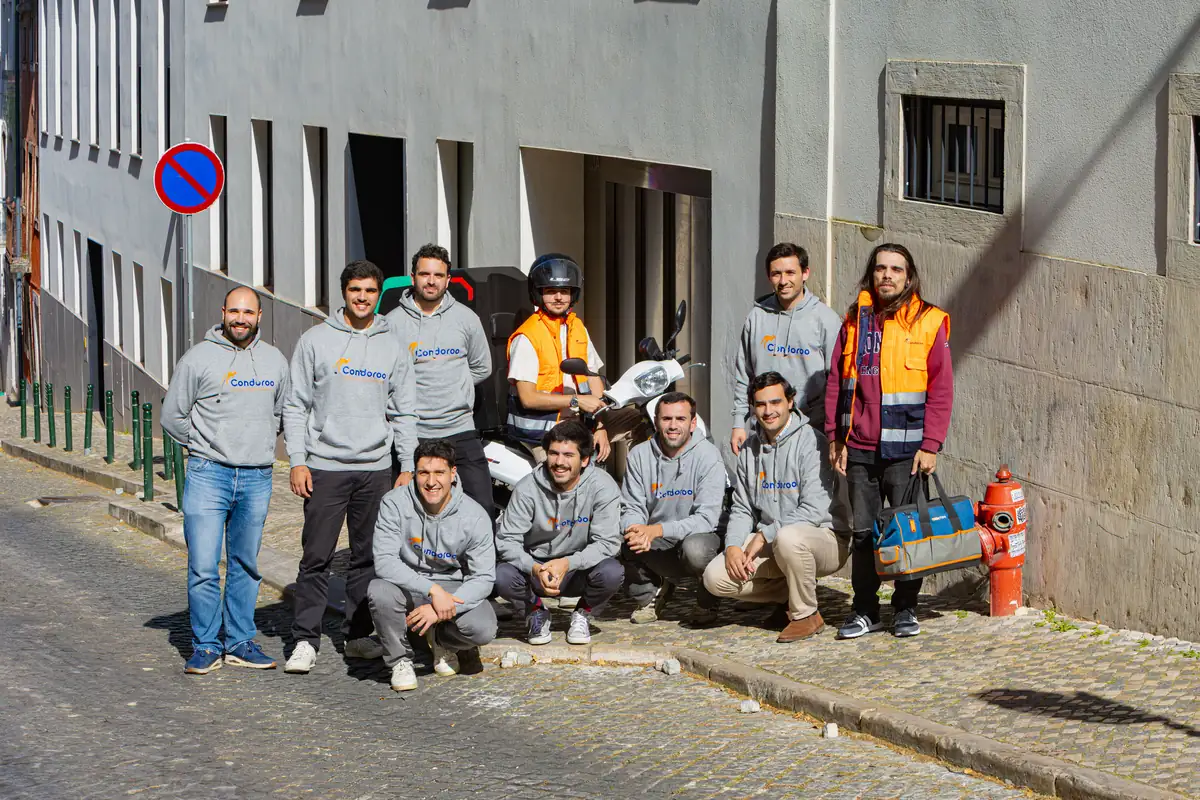
Having an office on the same street as the building is of little use if the phone is not answered or emails go unanswered for weeks. The proximity that counts is that of someone who knows what is happening in the building, answers quickly and turns up when needed. At Condoroo, our technicians travel by motorbike, on routes planned by an algorithm, and we carry out more than 35 inspection visits a day. See how our on-site inspections work.
How proximity is measured
| Indicator | What it measures | Value at Condoroo |
|---|---|---|
| Average call time | Ability to solve things on the phone | 5 min 15 s |
| Inspection visits | Presence in the building | More than 35 a day, around 700 a month |
| General meetings | Presence in decisions | More than 350 in the first quarter of 2026 |
| Suppliers | Ability to fix breakdowns | A network of more than 1,600 |
| Letters | Proof of notices sent | Hundreds a month, with tracking |

All values are Condoroo’s own data; the call time is according to Condoroo’s call metrics.
What technology does for proximity
Technology does not replace the manager: it takes repetitive tasks off their hands, such as recording payments and reconciling the bank account. The time saved goes to what needs a person: visiting the building, listening to an owner, mediating a dispute, preparing a difficult general meeting. We develop this idea in our article on AI condominium management.
The record as a guarantee
In a digital system, each request is recorded with a date, the person responsible and its status. This has three practical consequences:
- Decisions are based on facts: the history shows what was requested and when.
- Deadlines do not depend on memory: the system warns when a task is falling behind.
- Everyone knows where things stand: who asked, who is dealing with it and what is still missing.
And if an owner disagrees with a decision by the administrator, the law offers a clear route:
«Dos actos do administrador cabe recurso para a assembleia, a qual pode neste caso ser convocada pelo condómino recorrente.» — Civil Code, article 1438
In plain English: the administrator’s acts can be appealed to the general meeting, which in that case can be called by the owner who is appealing.
With every step recorded, the meeting can assess the case on the basis of what actually happened.
An example: a leak in the garage
Imagine an owner notices a damp patch on the garage ceiling. They call the management company and the person who answers opens the building’s file: they see that the courtyard roof was repaired two years ago and that the supplier’s warranty still applies. They record the incident with the photo sent by the owner. The system fits a visit into the route of the nearest technician. During the visit, the technician confirms the source and the manager contacts the supplier under the warranty. If larger works are needed, the manager prepares three quotes for the general meeting. At each step, the owner knows where things stand. This is proximity: technology providing information, people solving problems.
The longevity fallacy
Many companies present their years in the market as their main argument. Experience counts, but years alone do not say how a company responds today. In 2022, according to a study by the sector association reported by ECO, companies had an average of 4.2 employees and 71 condominiums. A small structure can work well, but it becomes fragile when the manager is on holiday or when several emergencies arrive at once. Condoroo was launched in August 2023 (Católica-Lisbon SBE) and today manages more than 600 condominiums.
Scale with quality
Growing without losing quality requires:
- processes that do not depend on one person’s memory;
- training for every manager when they join;
- tools that give each manager the building’s history;
- a network of suppliers able to respond.
Presence in decisions
A building’s important decisions are taken at the general meeting. We hold meetings in person, and in the first quarter of 2026 we held more than 350. Structural works, such as those on the façade or roof, go to the general meeting, so that everyone’s money is decided by everyone. See the results in our article on the 350 general meetings of the first quarter.
Digital without leaving anyone out
Innovation is only worth it if it brings people closer. Owners who prefer the phone are still answered by a person, and every request is recorded, whatever the channel. See how we organise customer service.
Independent recognition
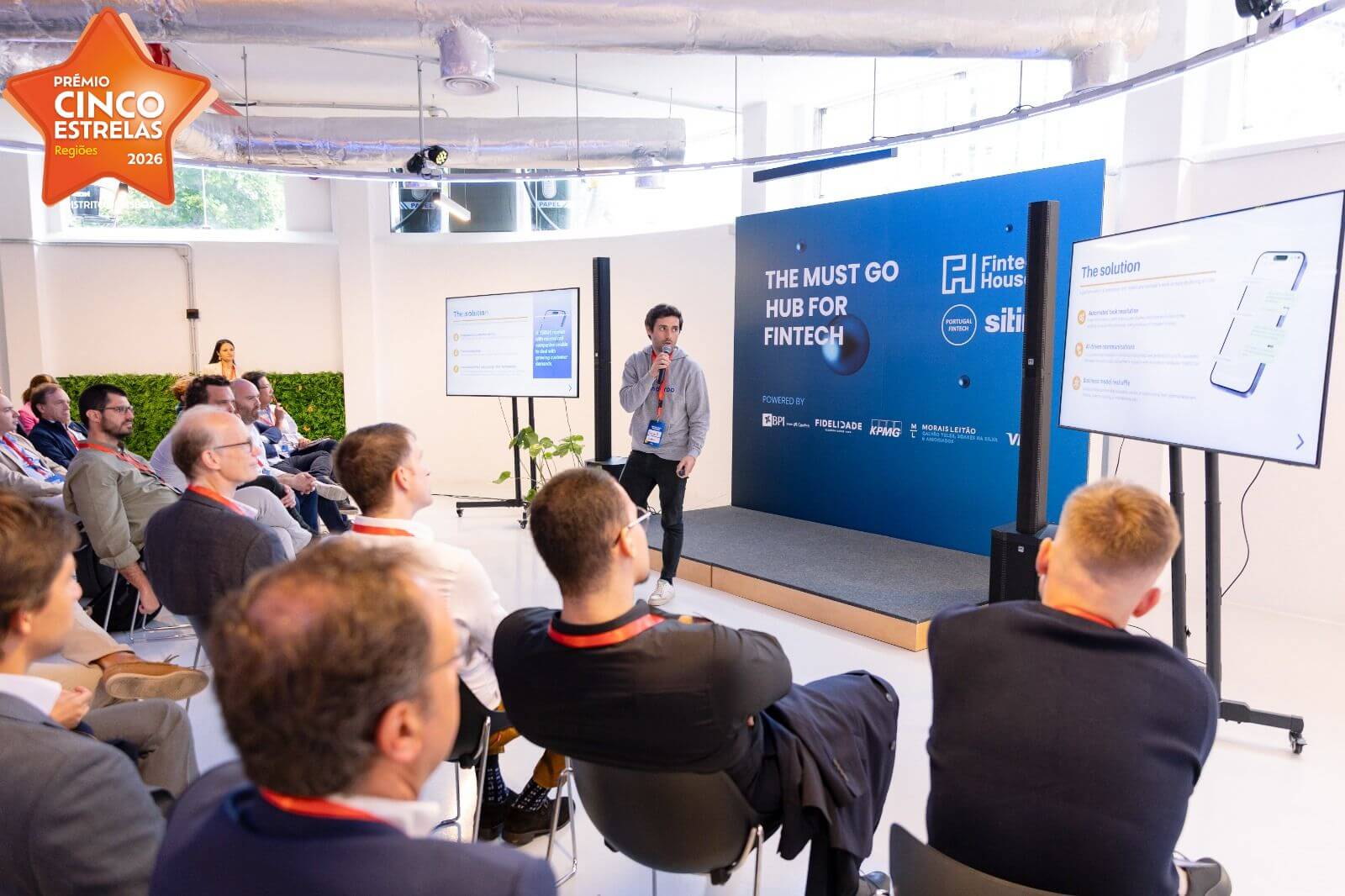
The DECO PROteste seal and the Five Star Award do not assess software: they assess people’s experience. Condoroo has held the DECO seal for the third year in a row and was recognised in the Five Star Regions Awards 2026, in the district of Lisbon, in the Condominium Management category.
What to ask your management company
- How quickly do you respond to a request?
- Who answers when the manager is busy?
- How often do you visit the building?
- Are requests recorded, and can they be consulted?
- Are general meetings held in person, online or as the building chooses?
Proximity measured in response time
Our team has more than 20 professionals, with higher education, onboarding training and continuous training. According to Condoroo’s call metrics, the average call lasts 5 minutes and 15 seconds. When the manager is busy, the call is rerouted to a colleague with access to the same history (how it works).
How Condoroo helps
Condoroo manages more than 600 condominiums, including buildings with more than 300 units, with a team of more than 20 professionals. We have professional liability insurance of €500,000, the bank account is in the condominium’s name and plans start from €6.50 per unit per month. Technology serves our managers and technicians, not the other way round. If you would like to see how it works in practice, book a clarification session.
Technology and proximity in condominium management: FAQ
Does a digital management company have less human presence?
Not necessarily. Technology can free up the manager’s time to be more present in the building.
How is a management company's proximity measured?
By response time, by how often it visits the building and by its presence at general meetings.
How many inspection visits does Condoroo carry out?
More than 35 a day and around 700 a month.
Are years in the market a guarantee of quality?
Experience counts, but on its own it does not say how a company responds today.
What can I do if I disagree with a decision by the administrator?
You can appeal to the general meeting, which you can call yourself, under article 1438 of the Civil Code.
Does Condoroo hold general meetings in person?
Yes. In the first quarter of 2026 we held more than 350 general meetings.
This article is for information only. Legislation and websites checked on 26 October 2026.