 on Google


There is a lot of talk about the new regulation of condominium management: a licence, a written contract, insurance, training. These are positive steps. But a law does not train managers, organise portfolios of buildings or respond to a burst pipe at ten at night. Talent in condominium management, meaning people who are prepared and have the time and tools to follow each building, is what decides the quality of the service. In this article we share Condoroo’s perspective, based on our daily work, and set out seven reasons why regulation alone is not enough.
In short
- ✓The planned regulation provides for adequate training for those who manage condominiums, but it has not yet been approved.
- ✓The administrator’s legal duties are many and technical: accounts, insurance, works, meetings, debt collection.
- ✓Quality depends on how many buildings each manager follows and how the work is organised.
- ✓Technology can free up time for what needs people.
- ✓Owners can ask specific questions about the team before hiring.
| Reason | What it means for the building |
|---|---|
| 1. The job has changed | More equipment, more rules, more technical demands |
| 2. The law sets minimums | A licence and training do not guarantee experience |
| 3. The duties are many | An overloaded manager leaves issues behind |
| 4. Training is ongoing | Rules and techniques change every year |
| 5. Organisation matters | Regular follow-up avoids management by complaint |
| 6. Technology frees up time | Less paper, more follow-up |
| 7. Owners can ask | Who the manager is, how many buildings they have, who covers for them |

1. The job has changed
Today’s buildings have lifts with inspection rules, fire safety systems, solar panels, electric vehicle chargers and remote general meetings. The president of a sector association put it this way:
«O que é hoje a manutenção de um condomínio não tem nada a ver com o que era há 20 anos e a especialização técnica é importante.» — President of ANPAC, quoted by ZAP, 22 June 2026
In plain English: maintaining a condominium today bears no resemblance to what it was 20 years ago, and technical specialisation matters.
2. The law sets minimums, it does not guarantee experience
The draft regulation provides for a licence, a written contract, civil liability insurance and adequate training, according to CNN Portugal and Jornal Económico. In October 2026, it is still going through the legislative process. Once approved, it will rule out those who do not meet the minimums. But a training requirement does not replace years of preparing difficult general meetings, reading proposals for works or negotiating with insurers. See where things stand in condominium regulations in Portugal in 2026.
3. The administrator has many duties
Article 1436 of the Civil Code lists the administrator’s duties:
«a) Convocar a assembleia dos condóminos; b) Elaborar o orçamento das receitas e despesas relativas a cada ano; c) Verificar a existência do seguro contra o risco de incêndio, propondo à assembleia o montante do capital seguro; d) Cobrar as receitas e efectuar as despesas comuns;» — Civil Code, article 1436(1)
In plain English: the administrator must call the general meeting, prepare each year’s budget of income and expenses, check that fire insurance exists and propose the sum insured, and collect income and pay the common expenses.
The list goes on: demanding contributions, carrying out decisions, representing the condominium, presenting accounts, keeping documents, reporting on court cases, issuing debt statements within 10 days and presenting three quotes for extraordinary works. An administrator who fails to do so is liable in civil law for the omission (art. 1436(3)). When a manager has too many buildings, some of these tasks inevitably get put off.
4. Training is ongoing
In 2026 alone, the rules on energy self-consumption in buildings (Law 29/2026) and on works exempt from a licence (Decree-Law 108/2026) changed. A manager who does not keep up with these changes gives the general meeting wrong information. So training cannot be a course taken once: it has to be part of the job. See our guide to condominium regulations.
5. Work organisation matters
At many management companies, the buildings that complain most are the ones that get most attention. The others wait. The way to avoid this is organisational: each manager regularly follows up every open issue, whether or not there has been a complaint. See how we do it in construction management in condominiums.
6. Technology frees up time
Digitising documents, automating payment reminders, organising maintenance requests and holding hybrid or online meetings take hours of administrative work off each manager. That time can go into what needs people: visiting buildings, negotiating with suppliers, talking to owners. Technology and proximity are not opposites; see why it is a false dilemma.
7. Owners can ask
Before hiring, ask about the team, not just the price:
- Who will manage the building and what experience do they have?
- How many buildings do they follow?
- Who covers for them during holidays or absences?
- What training does the team receive and how often?
- How often are each building’s open issues reviewed?
- How are emergencies handled out of hours?
The answers say more about the service than any brochure.
The general meeting's role
The general meeting can also play a part. When it approves the budget, it decides how much the building pays for management; a fee that is too low rarely allows a manager with time for the building. When it assesses the company, it can ask for an activity report, response times and an update on works. And when it changes management company, it can require an organised handover with all the documents. These are decisions within the owners’ reach, whatever law is eventually approved.
What we see at Condoroo
There is no public data to measure the shortage of professionals in the sector in Portugal. What we share is our experience: the best-managed buildings are those with a manager who has time to follow them, technical support for works and tools that cut down repetitive work. Regulation will help set minimums. The difference will still lie in the people and in how the work is organised.
How Condoroo helps
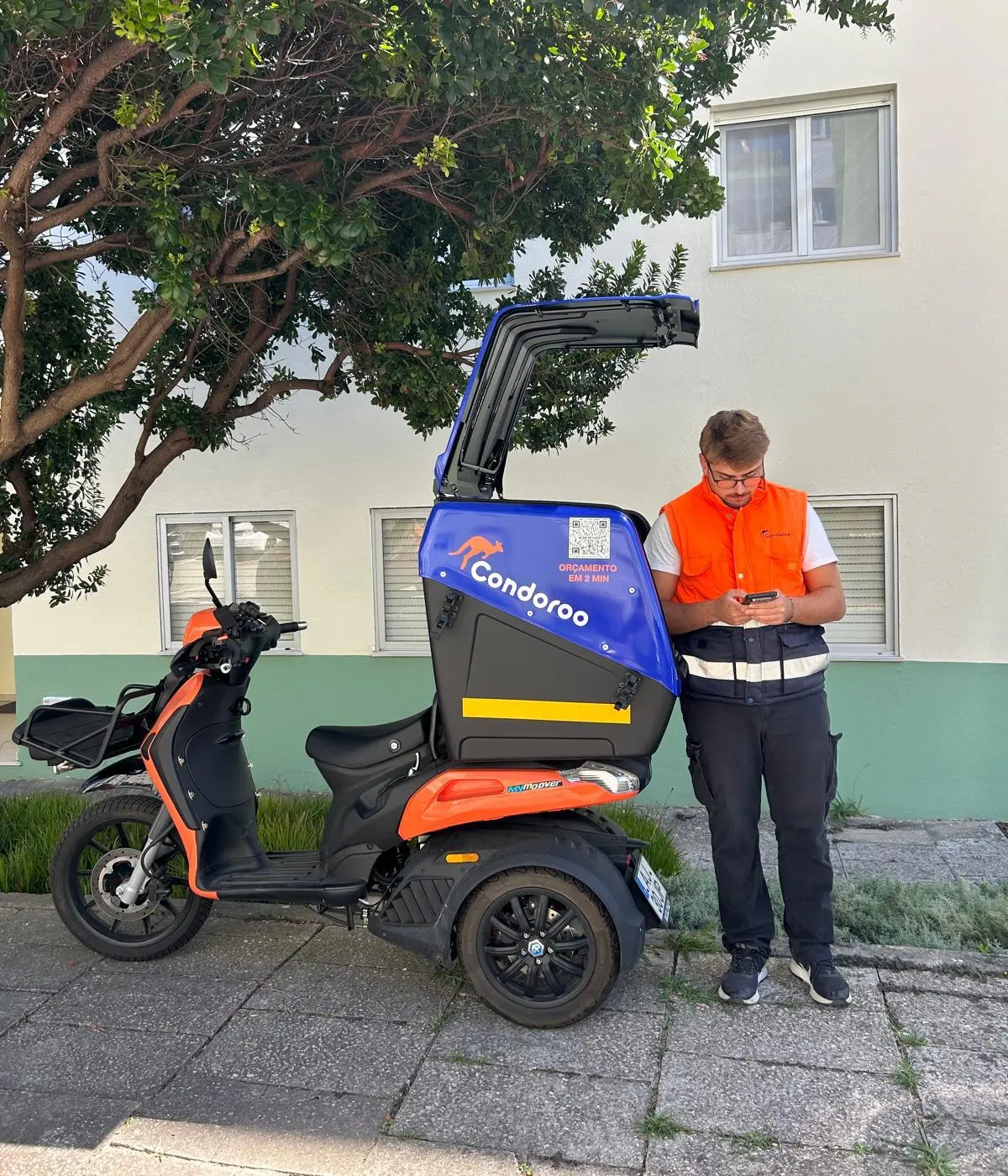
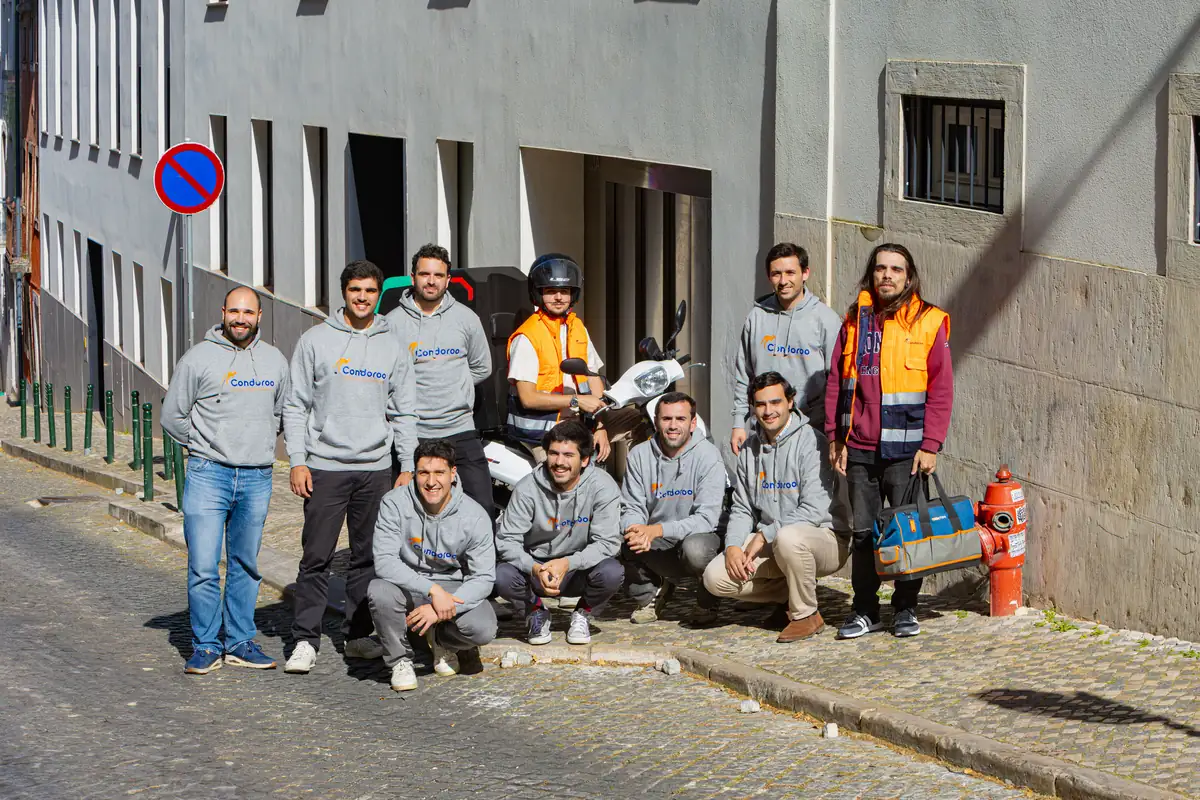
Condoroo has a team of more than 20 professionals managing more than 600 condominiums. Each manager regularly follows up the open issues in all their buildings. We hold general meetings in person, hybrid or online, and our 35+ daily inspections are planned with a route algorithm and carried out by motorbike. According to Condoroo’s call metrics, the average call lasts 5 minutes and 15 seconds.
Talent in condominium management: frequently asked questions
Will the new regulation require training for administrators?
The known draft provides for adequate training for those who manage condominiums professionally. In October 2026, it has not yet been approved.
Is the regulation already in force?
No. In October 2026, the draft is going through the legislative process and no law has been published. The final text may still change.
How many duties does the administrator have?
Article 1436 of the Civil Code lists more than a dozen, from accounts and insurance to meetings, works and debt collection.
How do I know if the company has enough managers?
Ask how many buildings each manager follows, who covers for them and how often each building’s issues are reviewed.
Does technology replace managers?
No. It frees time from repetitive tasks so that managers can focus on what needs people.
Is there data on the shortage of professionals in the sector?
We do not know of any public data measuring it in Portugal. This article is based on Condoroo’s experience.
This article is for information only. Legislation and websites checked on 26 October 2026.